















Cold weather brings new challenges for dog parents — from chilly walks to dry paws to wintertime overstimulation. This guide to winter dog safety covers everything you need to know to keep your pup warm, calm, and comfortable all season long.
1. Know Your Dog’s Cold Tolerance
Every dog is different.
Dogs who get cold easily include:
- Small breeds
- Short-haired breeds
- Senior dogs
- Puppies
- Low-body-fat breeds
- Dogs with anxiety (they can tense up more)
If your dog shivers, lifts paws, or tries to turn back, it’s too cold.
2. Gear Up for Cold-Weather Walks
Winter gear helps keep your dog safe and comfortable. Consider:
- A warm sweater or jacket
- Paw balm for cracked or dry pads
- Booties for ice or snow
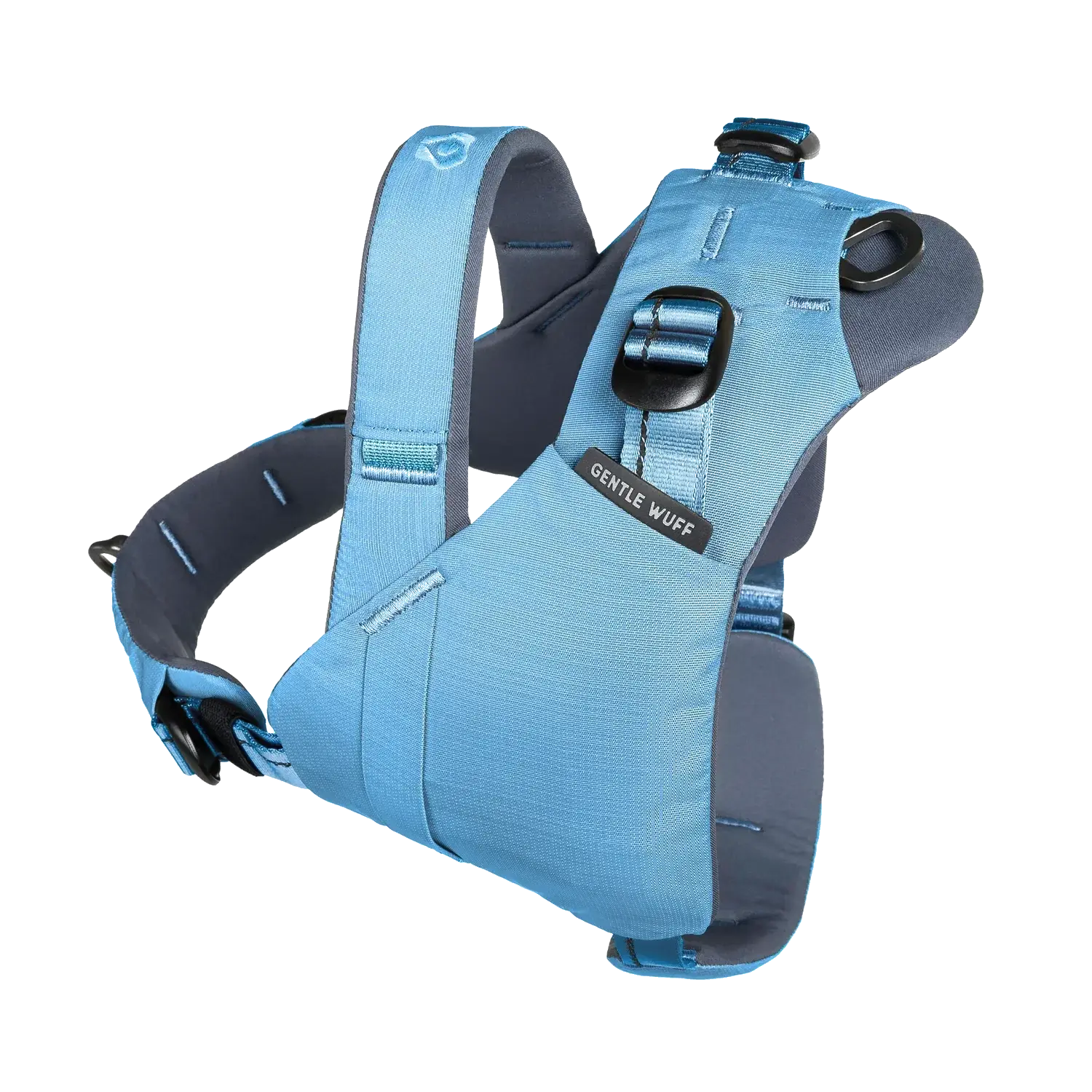
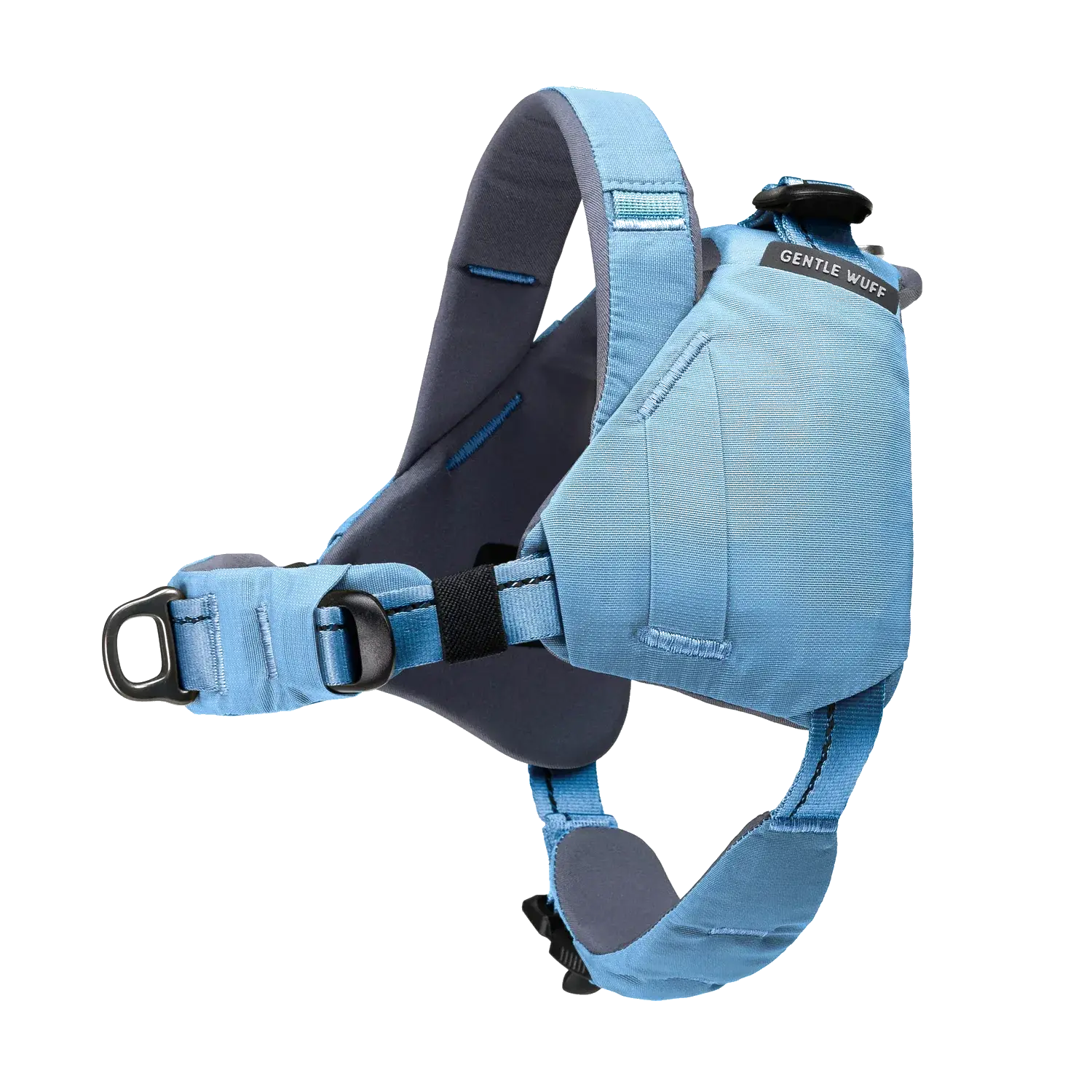
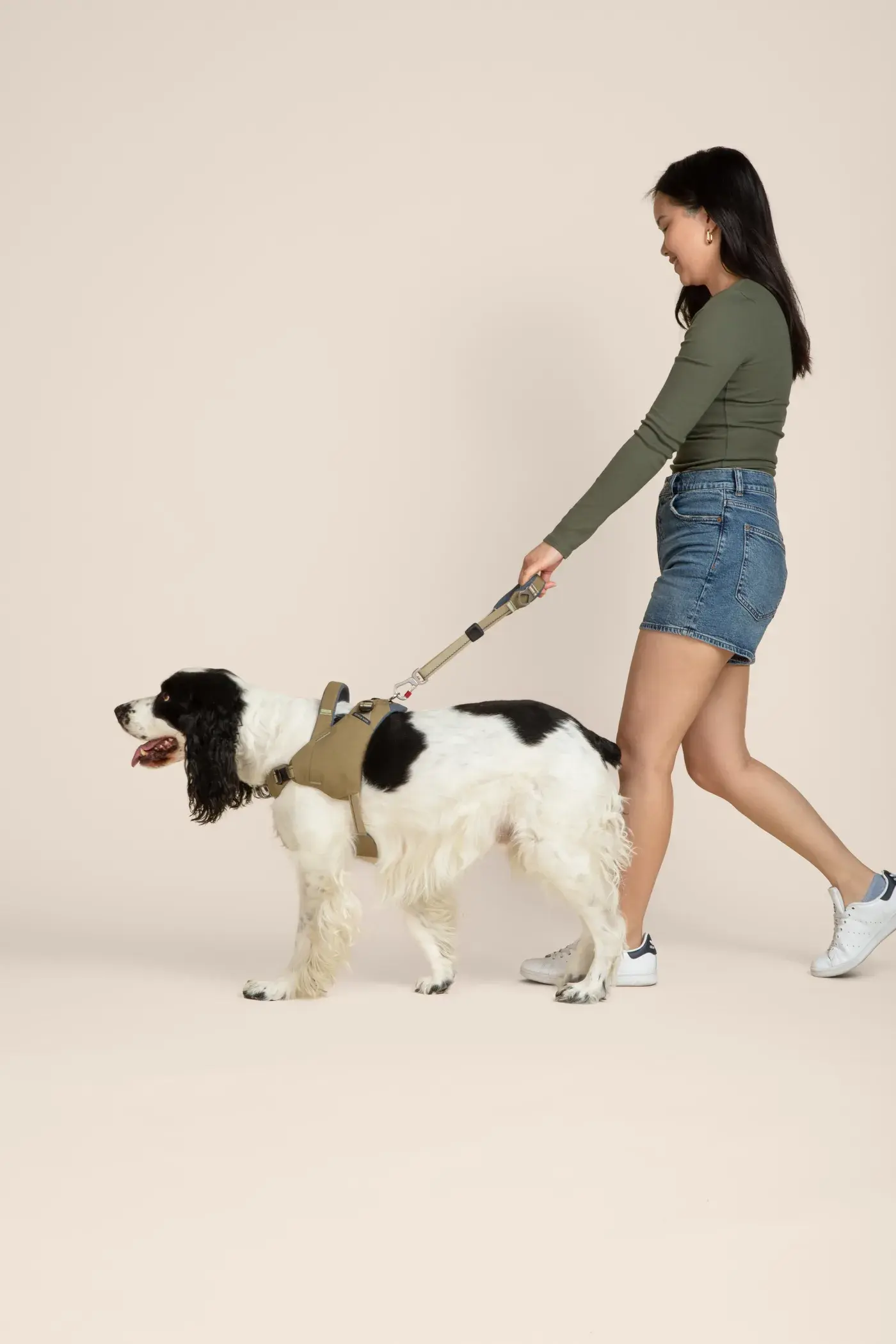
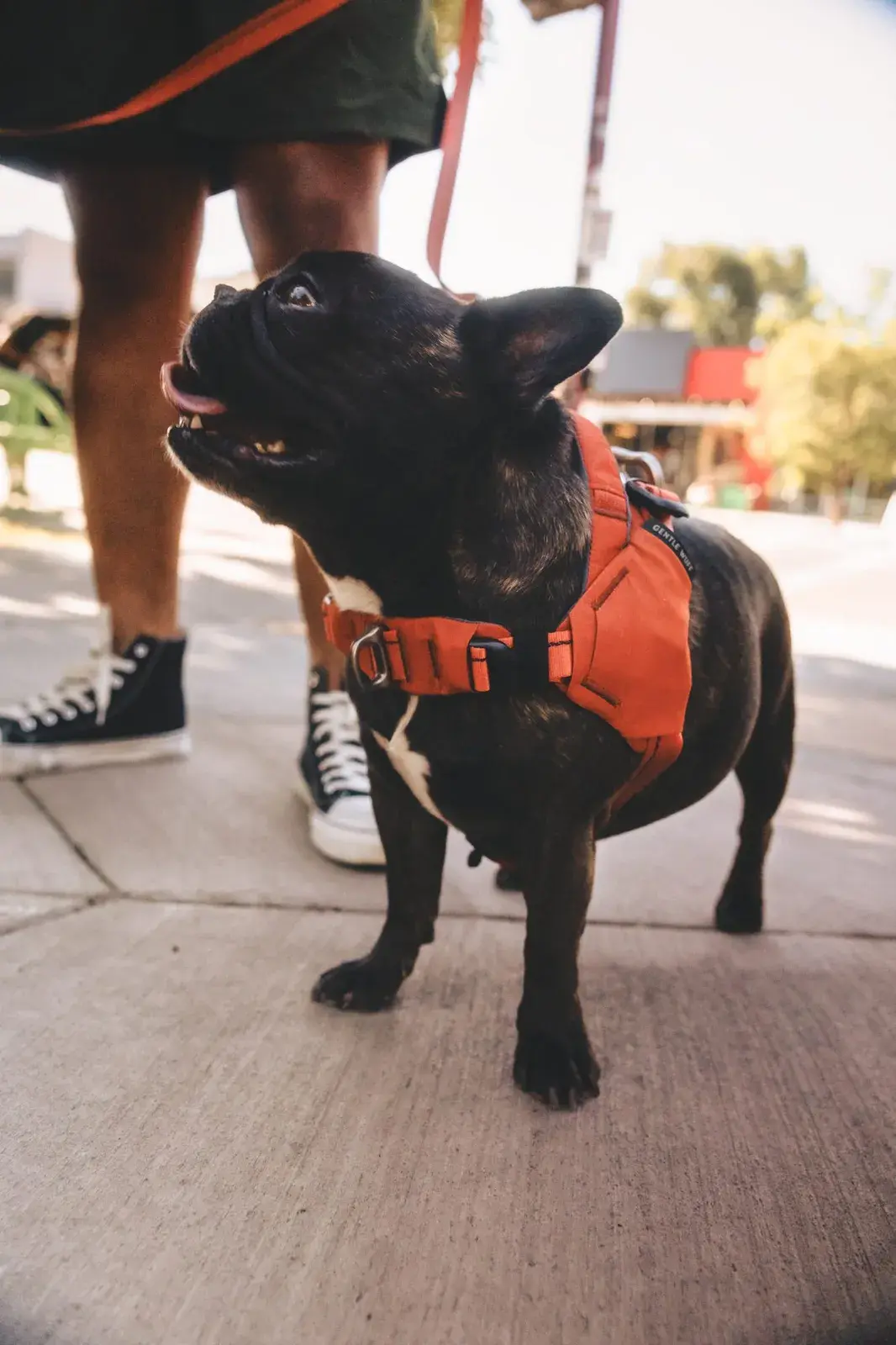
- A reflective harness for dark evenings, like the ready-go harness
- A longer warm-up before leaving the house
Short walks + longer indoor enrichment work great when temps drop.
3. Protect Your Dog’s Paws From Ice, Salt & Snow
Salt, ice, and chemical de-icers can irritate or burn paws.
Protect them with:
- Silicone-based paw wax
- Booties
- Rinsing paws after walks
- Towel drying between toes
- Checking for packed snow
Healthy paws = happy winter walks.
4. Keep Indoor Spaces Cozy & Anxiety-Free
Cold weather means more indoor time — and often more triggers (guests, noises, shorter exercise windows).
Create a winter comfort space with:
- A warm bed away from drafts
- Cozy blankets
- Calming music
- Slow feeder or enrichment toys
- Extra snuggle time (always recommended)
5. Adjust Your Dog’s Winter Exercise Routine
When it’s too cold for long outdoor play, switch to indoor energy burners:
- Snuffle mats
- Hide-and-seek
- Treadmill training
- Hallway fetch
- Puzzle feeders
- Trick training sessions
Mental stimulation warms their brain and tires them out.
6. Watch for Seasonal Anxiety Triggers
Winter can amplify triggers like:
- Fireworks
- Loud family gatherings
- Doorbells
- Storms
- Early darkness
Signs include pacing, panting, shaking, barking, or hiding.
Use calming strategies early: enrichment, music, safe zones, and familiar routines.
7. Keep an Eye on Hydration & Skin Health
Heaters + dry winter air = itchy skin.
Help keep your dog hydrated with:
- Fresh water daily
- Bone broth added to meals
- A room humidifier
- Omega 3s (ask your vet first)
This keeps their coat shiny and skin comfortable.
Winter Doesn’t Have to Be Stressful for Your Dog
With warm gear, adjusted routines, and comfort-focused care, your dog can stay safe, cozy, and confident all season long.